
I design the operating layer behind global marketing: how requests come in, what gets built to a standard, how it gets approved, adapted and rolled out across markets.
Global marketing operations · Business process ownership
How I think aboutglobal work.
A global standard only works when the people closest to the customer can use it without translating the whole process back into their reality. I make explicit what stays fixed, what can move and who decides.
I treat adoption as evidence about the system, not as a communication problem. When a market needs a workaround to get through the week, the process is not finished.
Contribution
Where I’d contribute
Make the decision system explicit
What the role needs
Global work needs a clear route for requests, priorities and escalation.
What I’d contribute
I turn competing requests into criteria that are agreed before the pressure arrives. The decision, its reasoning and the route to reopen it remain visible, so escalation becomes part of the operating model rather than its failure.
What I’d ask
Where do cross-market decisions sit today, and what evidence changes them?
Write the operating model before the build
What the role needs
A platform only works when ownership and process are as deliberate as the technology.
What I’d contribute
I connect the business need, the vendor's standard and the configuration we can sustain. The people who will own the outcome shape the specification before delivery, including what is global, what is local and how exceptions move.
What I’d ask
Which parts of the operating model are already clear, and which still depend on individual people?
Design for the receiving end
What the role needs
A standard should save markets time before it asks them to change behaviour.
What I’d contribute
I work from the market's week backwards: the customer moment, the existing workaround and the capacity the new process must return. Training, templates and support arrive with the system, and feedback changes the next release.
What I’d ask
What do markets currently have to rebuild, reconcile or explain by hand?
Experience
The experience I bring
Download CV↓Build globally
The one tool a rep opens in front of a customer.
I owned the operating model for the global sales-enablement platform, the approved content library beside the CRM: intake, prioritisation, build standards, approval, market adaptation, release. I onboarded 20+ countries and 1,600 reps; the platform later carried 40+ countries and roughly 6,000. The rollout plan did not move adoption; the thing I chose not to build did.
See the decision behind the systemOwn locally
The receiving end of everything Global sends.
I owned brand strategy, planning, budget and omnichannel execution for Hemlibra and Vabysmo, across Medical, Market Access, Sales, global teams and agency partners. I built the segments myself, ran the A/B tests and shipped a 12-week journey of 24 emails in Salesforce Marketing Cloud. One full cycle, taken on purpose.
Design from first principles
Where the systems thinking came from.
80+ internally edited books, 100+ international adaptations, two board games and a full identity system for the Association of Hungarian Photographers. Visual clarity is part of how a message lands, and an interface people find clear is an interface they adopt.
See selected workCase study



Taste
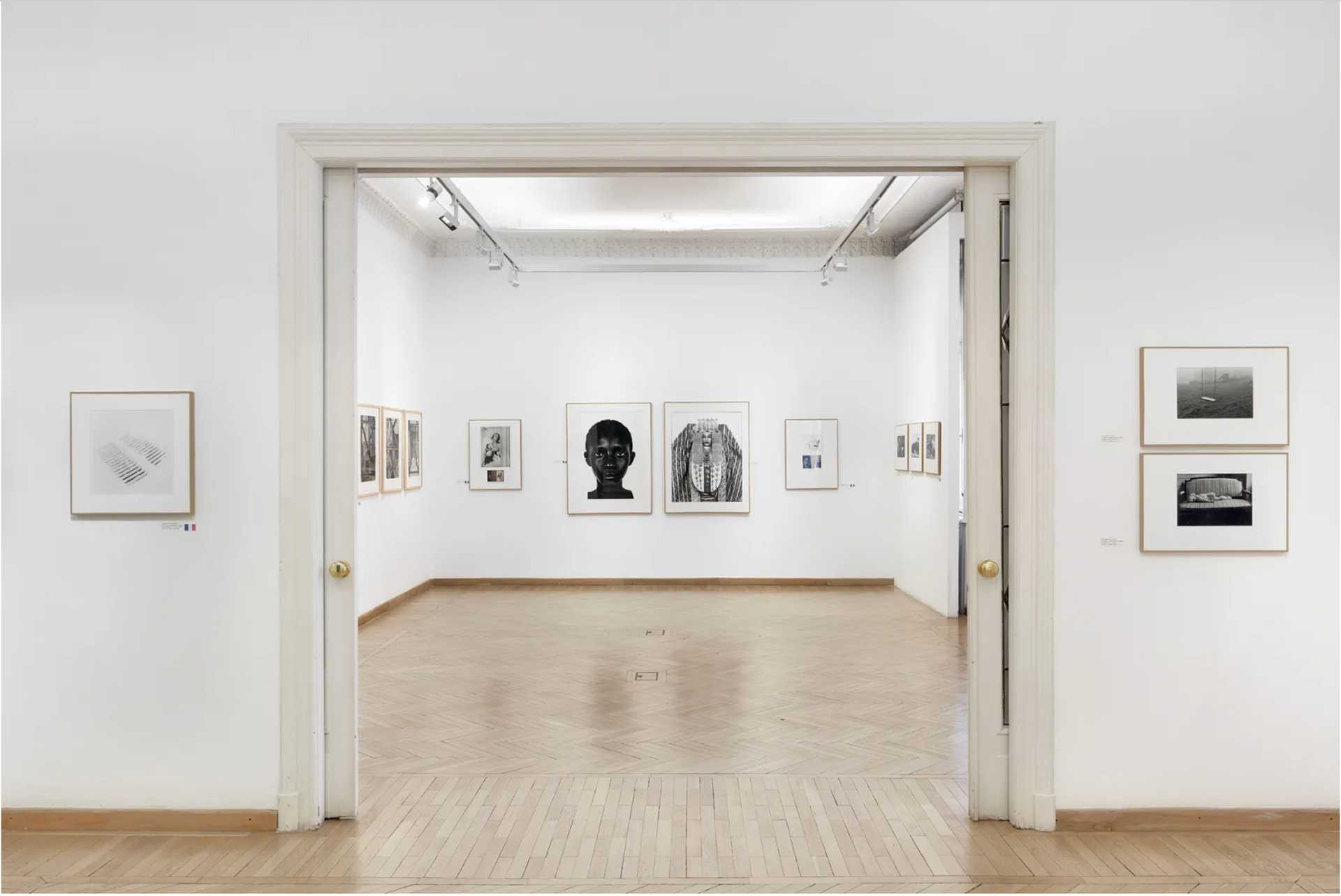
Association of Hungarian PhotographersDesign project manager · 2016–2017
A few hundred photographers, no two of them alike, all represented by one identity. The rebrand could have been about the association. I built it around the members' work instead.
A standard that flattens people is not a standard; it is a loss. So the system was made predictable in what it held and open in what it carried, across print, signage, exhibition and digital. It is the same thing I later asked of a platform serving 40+ markets.
View in the design portfolio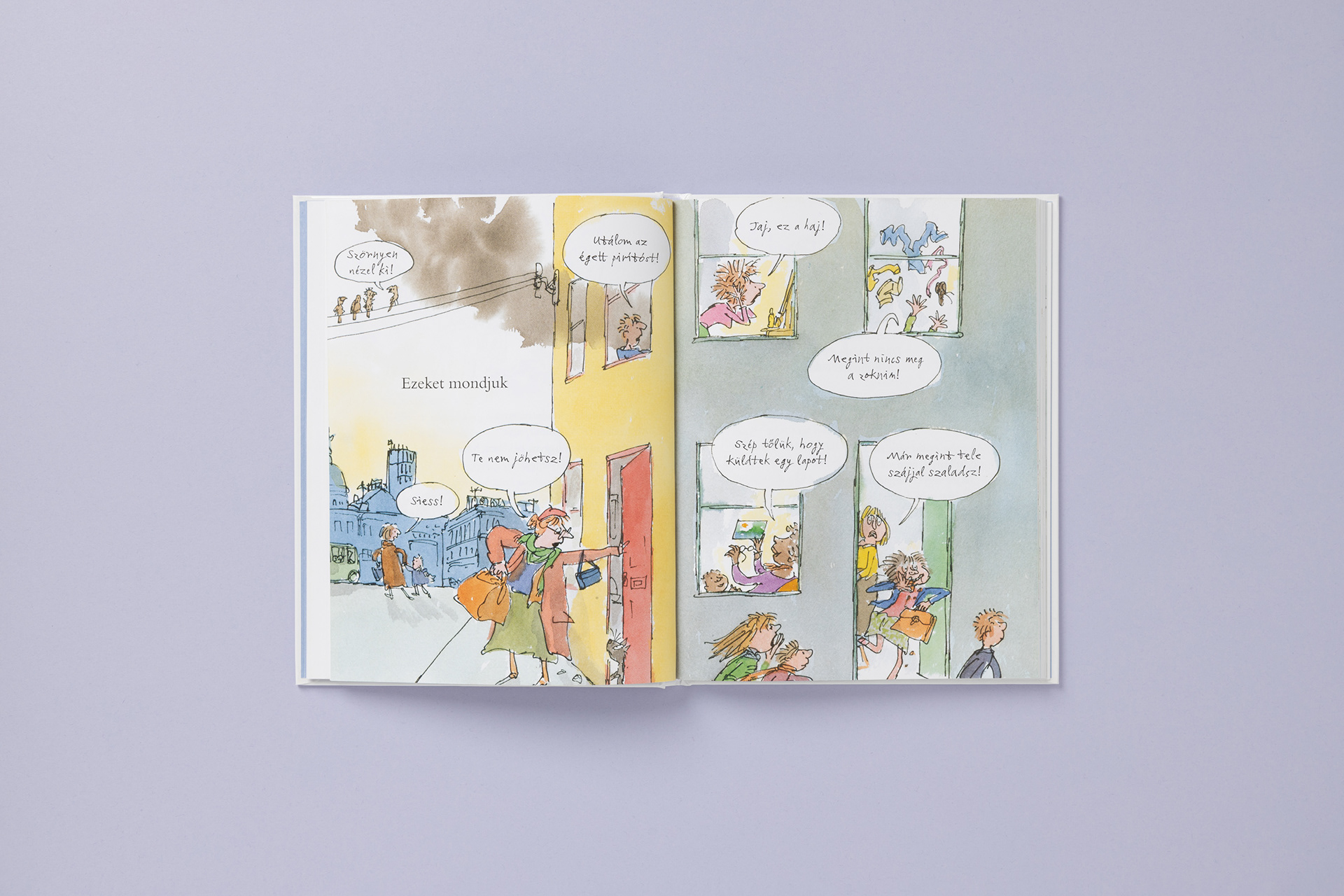
International book adaptationsGraphic designer and project lead, Pagony · 2017–2023
Adapting a foreign book is not translation. Quentin Blake's lettering does not exist in Hungarian, so we drew a typeface for it; the constraint was keeping his hand, not copying his letters.
One book is a decision; a hundred is a system. What stayed fixed was whatever kept the original recognisable, and everything else could move. Years later I built the same rule into pages a sales rep assembles for one doctor — claims fixed centrally, the message theirs — so the person closest to the conversation is the one composing it.
View in the design portfolio
Board gamesProduct and production design, Pagony · 2017–2023
A game only exists once someone sets it up and plays it. Every piece has to fit one box, interlock with the others, and make sense to a person who has never seen it before.
A game is judged in the first ten minutes: either you are already playing or the box goes back on the shelf. Platforms are judged the same way, which is why the first thing I hand a market is not a manual but a route that already works.
View in the design portfolioIn the background
For long walks, focused work and whatever I am curious about that week.
Off the clockListening, lately
Let’s talk

Ready to relocatewithin Europe. EU citizen, no sponsorship required, available fromOctober 2026.

Write to me[email protected]↗
Know someone I should meet?